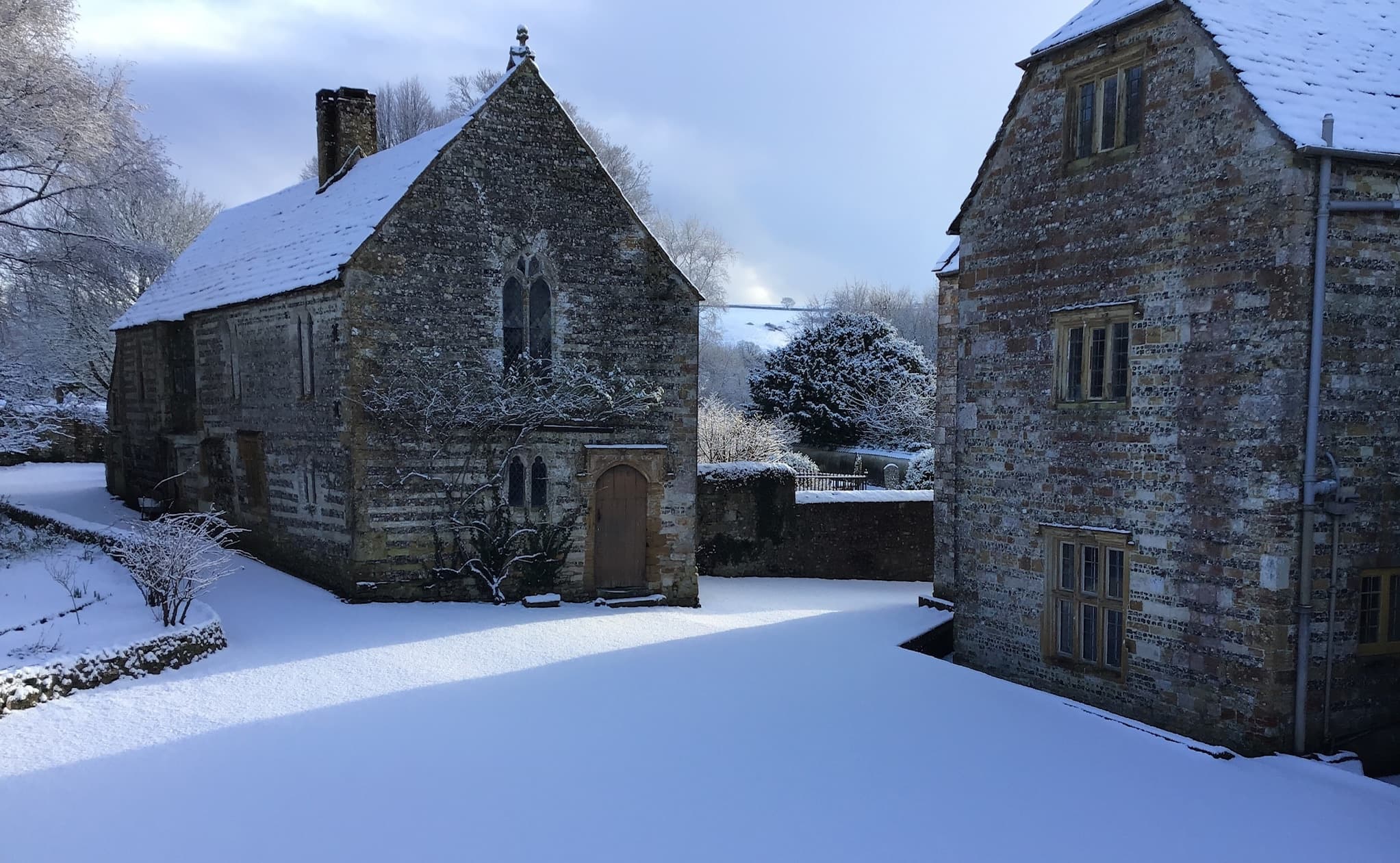
Over 1,000 Years of Cerne Abbey History
Cerne Abbey has witnessed centuries of history, from its founding in 987 through periods of royal patronage and conflict. Although much of the medieval abbey was lost after the Dissolution, important parts of the site still survive.
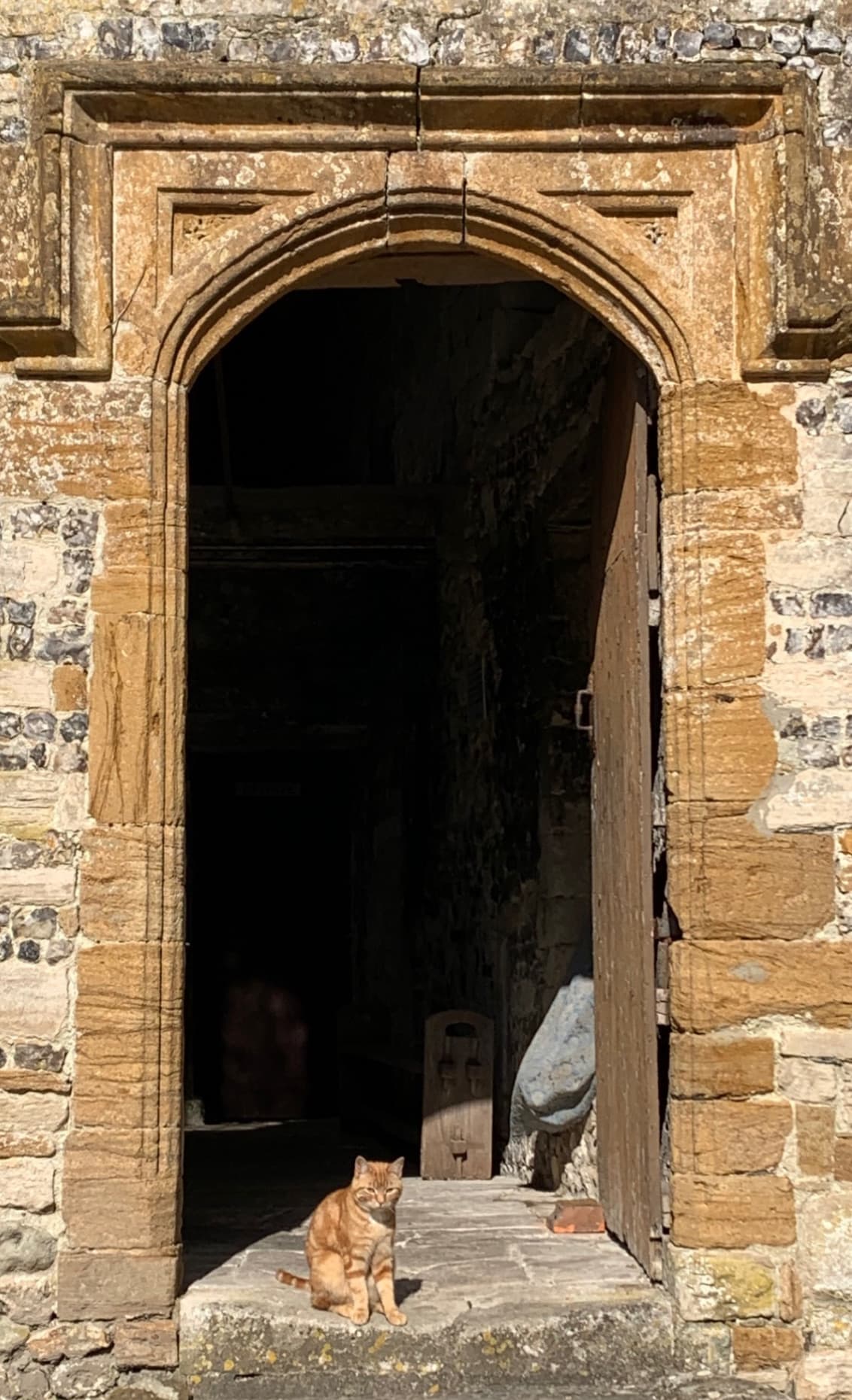
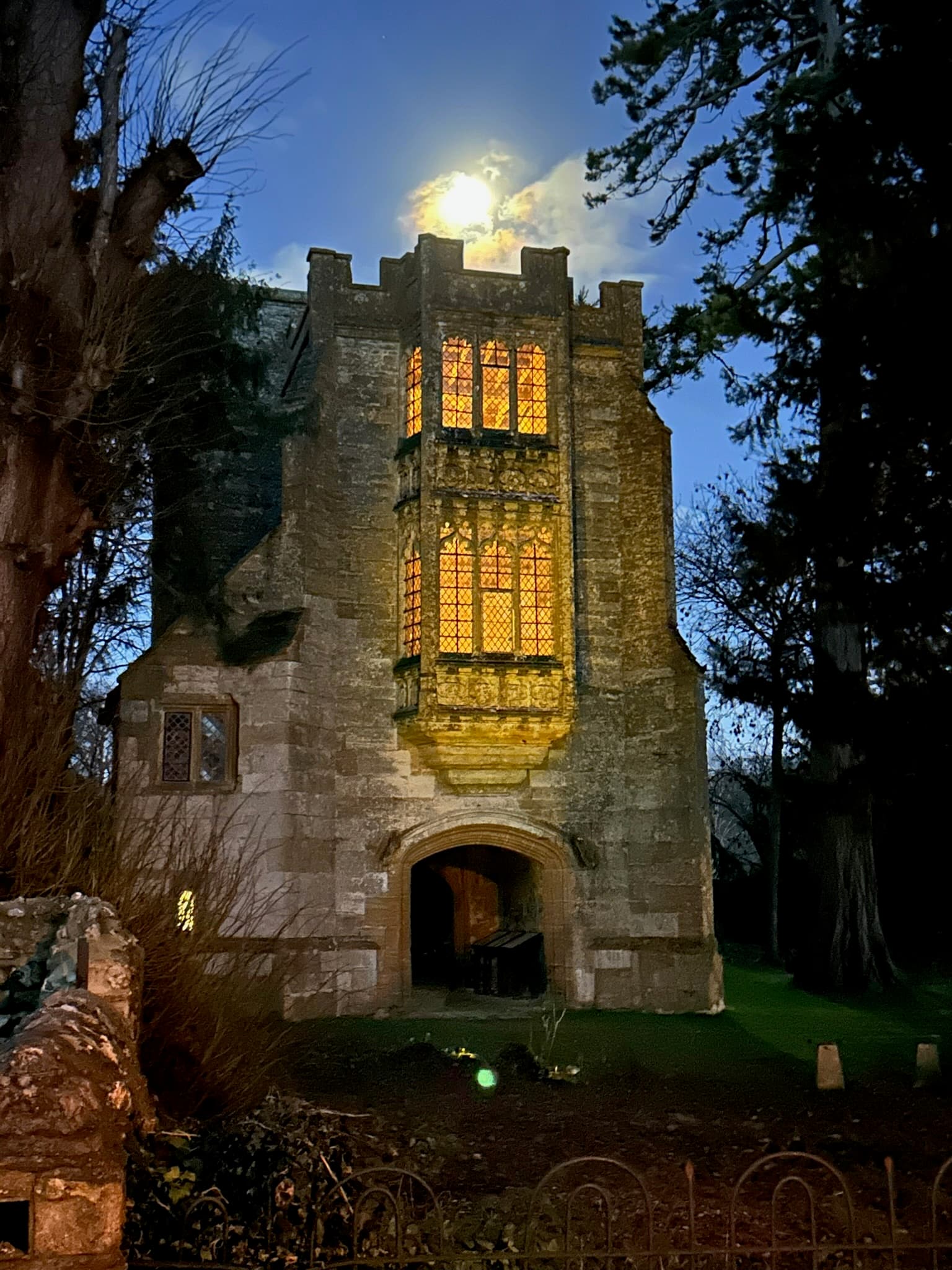
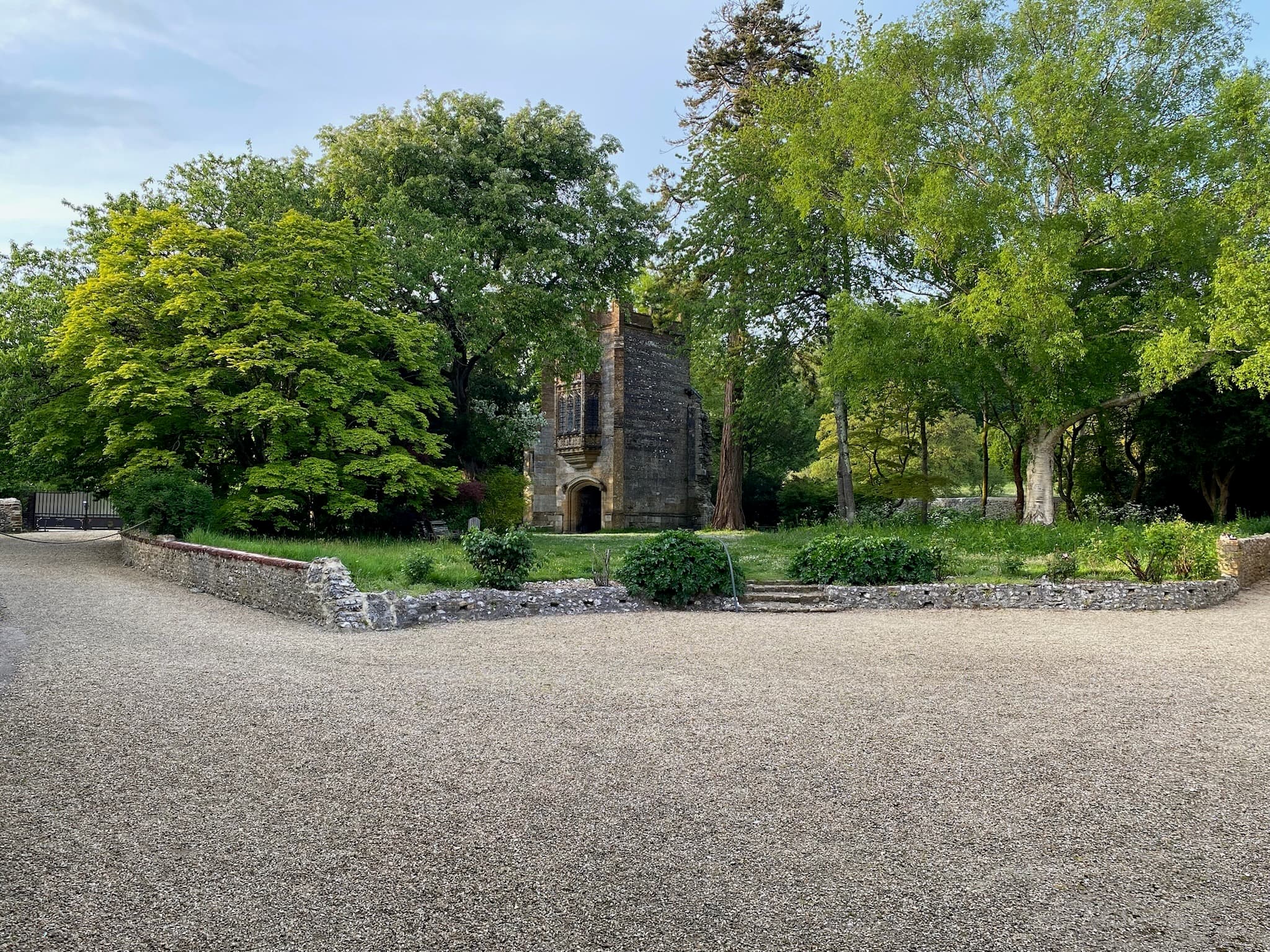
The Guest House is one of the few surviving monastic guest houses in England, while Abbot's Porch remains one of its most striking architectural features.

A Timeline of Cerne Abbey
- 987
- Cerne Abbey is founded by Æthelmær the Stout.
- c.1016
- King Cnut is said to have plundered the abbey before later becoming a benefactor.
- 1458–1471
- The Guest House is built by Abbot John Vanne.
- 1497–1509
- Abbot Thomas Sam builds Abbot's Porch.
- 1539
- Cerne Abbey is surrendered during the Dissolution of the Monasteries.
- 1990s
- Restoration work to the South Gatehouse receives a Civic Trust Award.
- Today
- Cerne Abbey remains a privately owned historic estate, open to visitors.

Royal Visitors and Notable Guests
Over the centuries, Cerne Abbey has welcomed monarchs, nobles and notable visitors connected to English history.
Visitors connected to Cerne Abbey over the centuries include King John, Henry III and Queen Margaret of Anjou, along with more recent visitors including Queen Elizabeth The Queen Mother, Sir Winston Churchill and King Charles III.

One of Dorset's Great Medieval Abbeys
Today, Cerne Abbey remains a privately owned historic estate, continuing a long connection with British history and heritage.
Cerne Abbey was founded in 987 by Æthelmær the Stout and later became a Benedictine monastery of considerable importance in Dorset.
Long before the abbey, a ninth-century hermit named Eadwold, said to be a brother of King Edmund of East Anglia, gave up the offer of a crown to live quietly near Cerne. After his death he was venerated as St Eadwold, and pilgrims drawn to his memory helped make the later abbey wealthy.
Ælfric of Eynsham, one of the most important writers in Old English, spent time at the abbey as a monk, priest and teacher. His sermons, translations and religious writings were widely used throughout medieval England.
Much of his work was written here at Cerne, including his Colloquy, a lively Latin teaching dialogue used in the monastery school. In it the pupils took the parts of a ploughman, a hunter, a fisherman and others, each describing their working day. Written some time around 992 to 1002, it gives a rare and very human glimpse of everyday Anglo-Saxon life.
The abbey also lends its name to the Book of Cerne, a celebrated early medieval illuminated prayer book. Despite the name it was very likely not made here: the evidence points to Mercia, and it has been linked to a Bishop of Lichfield in the early ninth century. The original is now kept at Cambridge University Library.
In the early 11th century, King Cnut is said to have plundered Cerne Abbey and burned the town before later becoming a benefactor after gaining the English crown.
The abbey remained active for over 500 years until the Dissolution of the Monasteries under Henry VIII.
A Convenient Excuse
By the 1530s Henry VIII was set on dissolving the monasteries, an enormous transfer of land and money into the Crown's hands. The commissioners sent out by Thomas Cromwell were, in effect, looking for reasons to justify closing them.
At Cerne they barely had to look. A disgruntled monk, William Christchurch, had already sent Cromwell a long list of complaints in 1535, accusing the last abbot, Thomas Corton, of keeping mistresses, spending the abbey's money on his family, letting the buildings decay and allowing monks to play cards through the night.
How much of it was true is doubtful. Corton had led the abbey quietly since 1524, and the accusations arrived at a conveniently useful moment. Tellingly, Christchurch's name is missing from the list of monks paid a pension when the abbey closed, which has led many to wonder what his complaints were really worth.
Whatever the truth, the outcome was already decided. Cerne Abbey was formally surrendered on 15 March 1539. By then it was still an important Dorset monastery, with lands across some 25 villages, responsibility for four parishes and around 16,000 acres at its height, a reminder of how much was swept away.
Much of the monastery was then dismantled, with large amounts of stone reused in later buildings throughout the village. The estate passed into private ownership and remains a privately owned family home today.
Uncovering the Lost Abbey: The Dig
Since 2022, archaeological work has begun to reveal the buried remains of the medieval Benedictine monastery beneath the grounds. The excavations are led by Dr Hugh Willmott of the University of Sheffield, supported by the Cerne Historical Society, and have been featured by Time Team.
Early ground-penetrating radar surveys in 2022 were followed by seasons of excavation through 2023, 2024 and 2025. When archaeologists returned to the site, the work began to map the scale and layout of the lost abbey, later unearthing the medieval hall and other structures recorded by the BBC.
In the News
The estate's ongoing excavation of the lost medieval abbey has been covered by BBC News.
- Archaeologists unearth secrets of medieval abbeyBBC News, 2025
- Cerne Abbas: Archaeologists dig for medieval abbeyBBC News, 2023