

Things to Do in Cerne Abbas
Cerne Abbas is a historic Dorset village in the Cerne Valley, about 7 miles north of Dorchester on the A352. It is best known for the Cerne Abbas Giant and for Cerne Abbey, founded in 987 at the centre of the village.
There is plenty to fill a half-day: the Giant, three historic pubs, the village shop and brewery, St Mary's Church and the abbey grounds are all within a short walk. For parking, opening times and tickets, see our visitor FAQs.
Places to See in the Village
Everything sits within one easy loop: see the Giant from the viewpoint, walk into the village for the pubs and the shop, and finish with an hour in the abbey grounds. Half a day covers it all.
The Cerne Abbas Giant
One of England's best-known chalk hill figures, cut into the hill above the village.
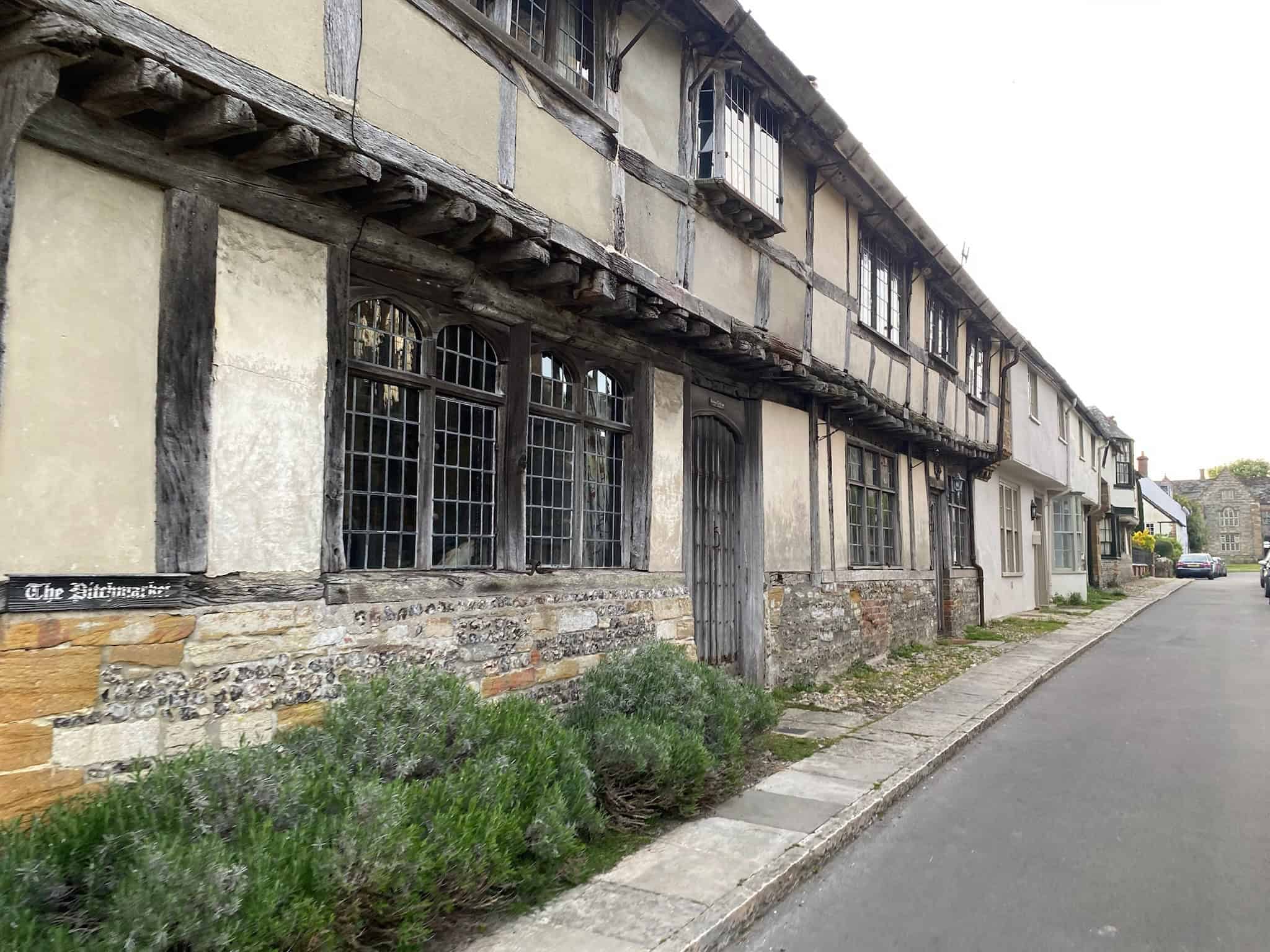
The Pitchmarket
A row of Tudor houses on Abbey Street, once home to Thomas Washington, reputed uncle of George Washington.
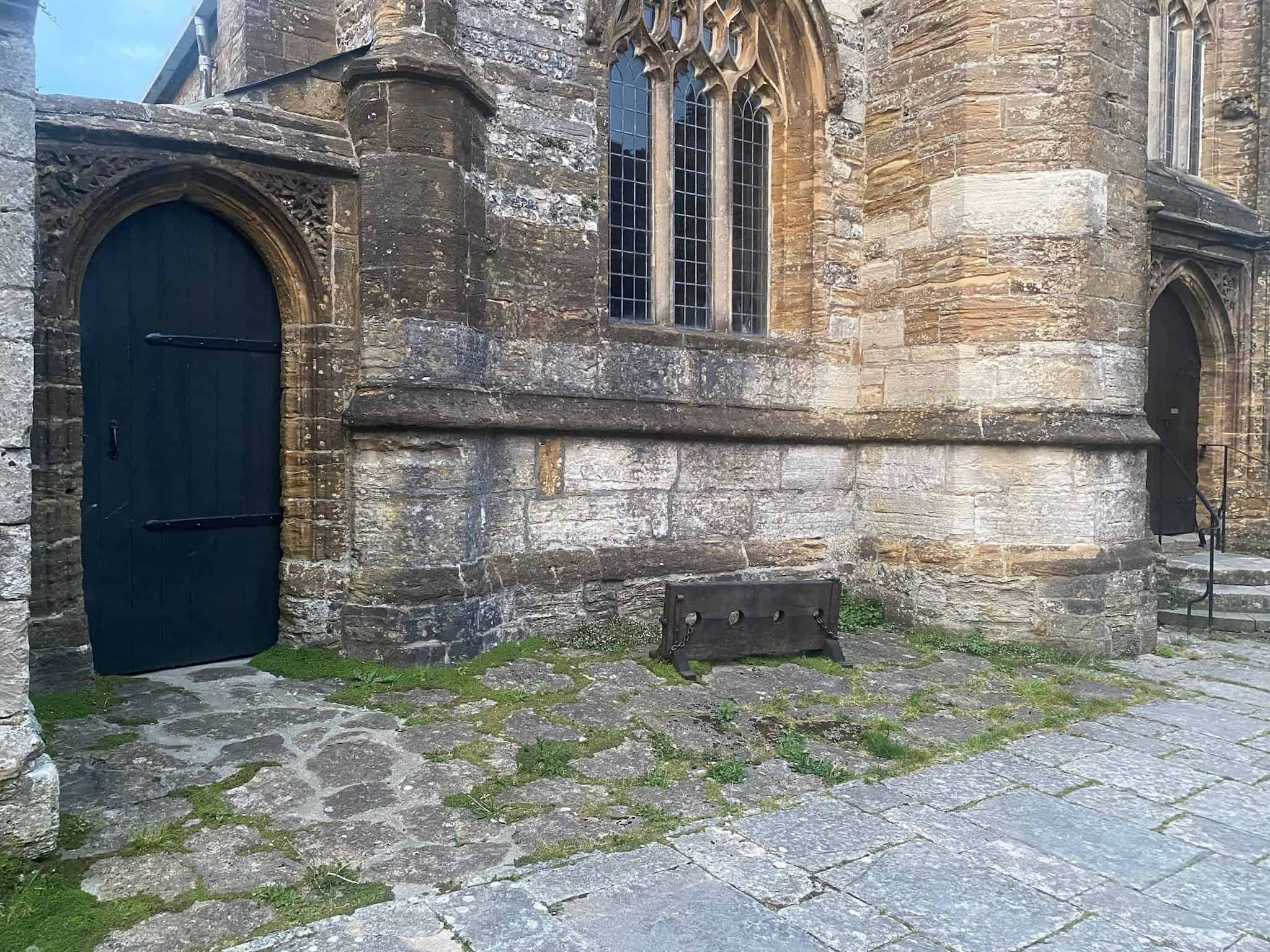
The Village Stocks
A reminder of late-medieval village life and justice.
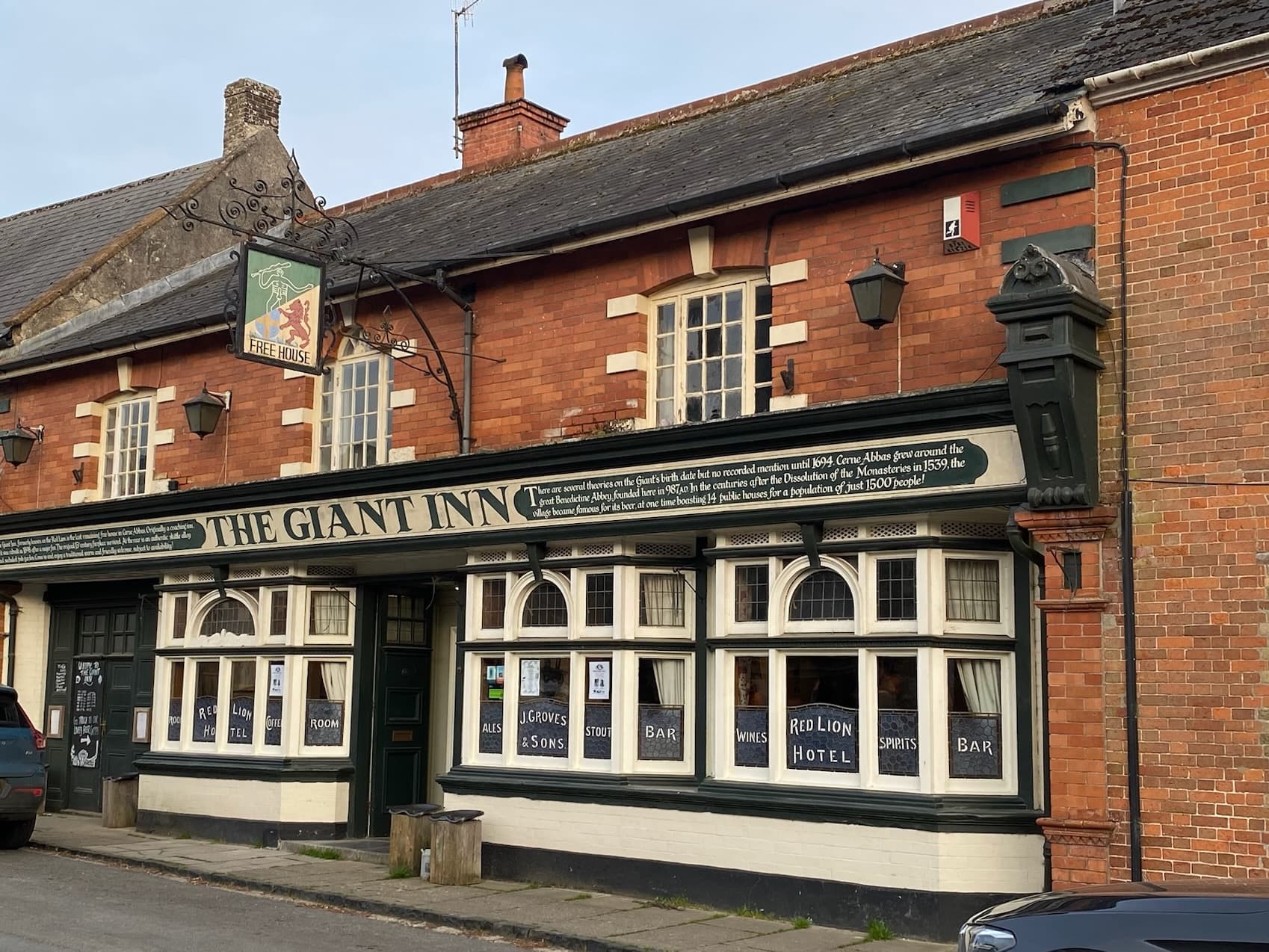
Village Pubs
Three historic pubs: the 16th-century New Inn, the Giant Inn with its 15th-century fireplace, and the Royal Oak, from around 1540.
St Mary's Church
A medieval parish church at the heart of the village.
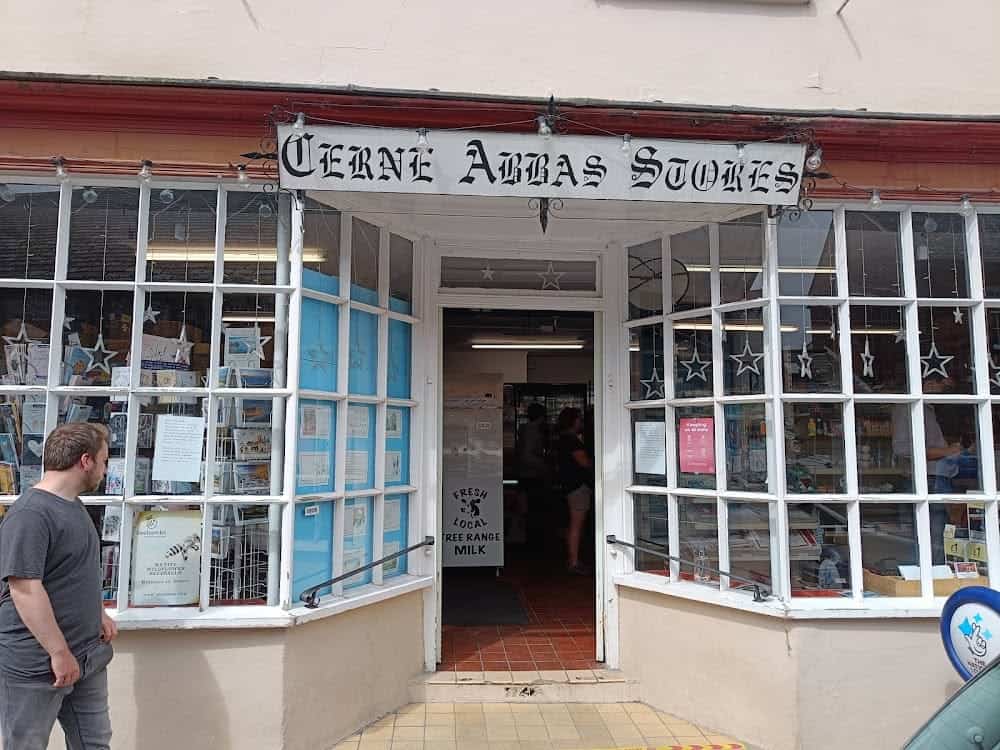
Cerne Abbas Stores
One of the South West's most characterful village shops.
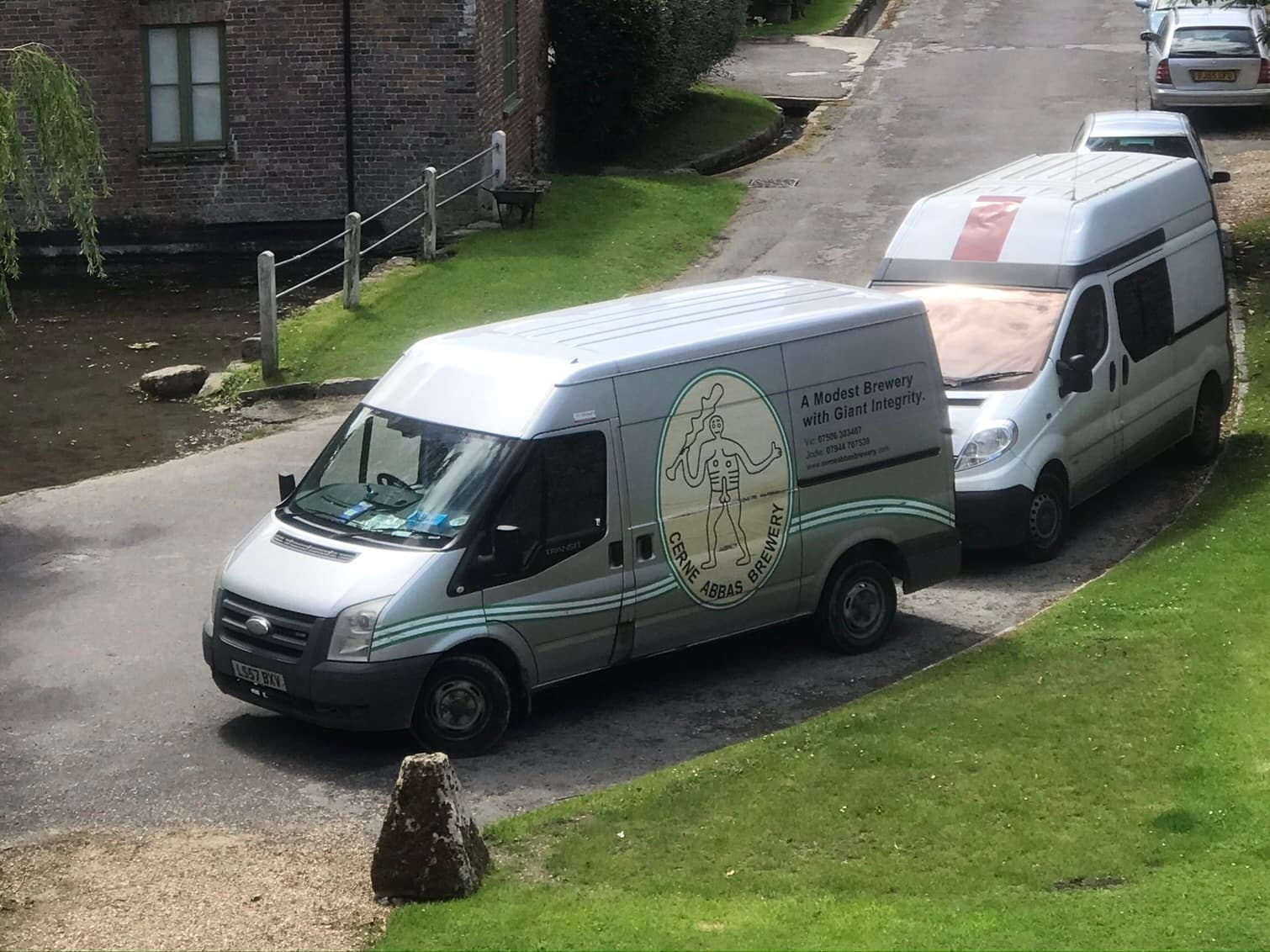
Cerne Abbas Brewery
Traditional Dorset ales, with a tap room and shop.
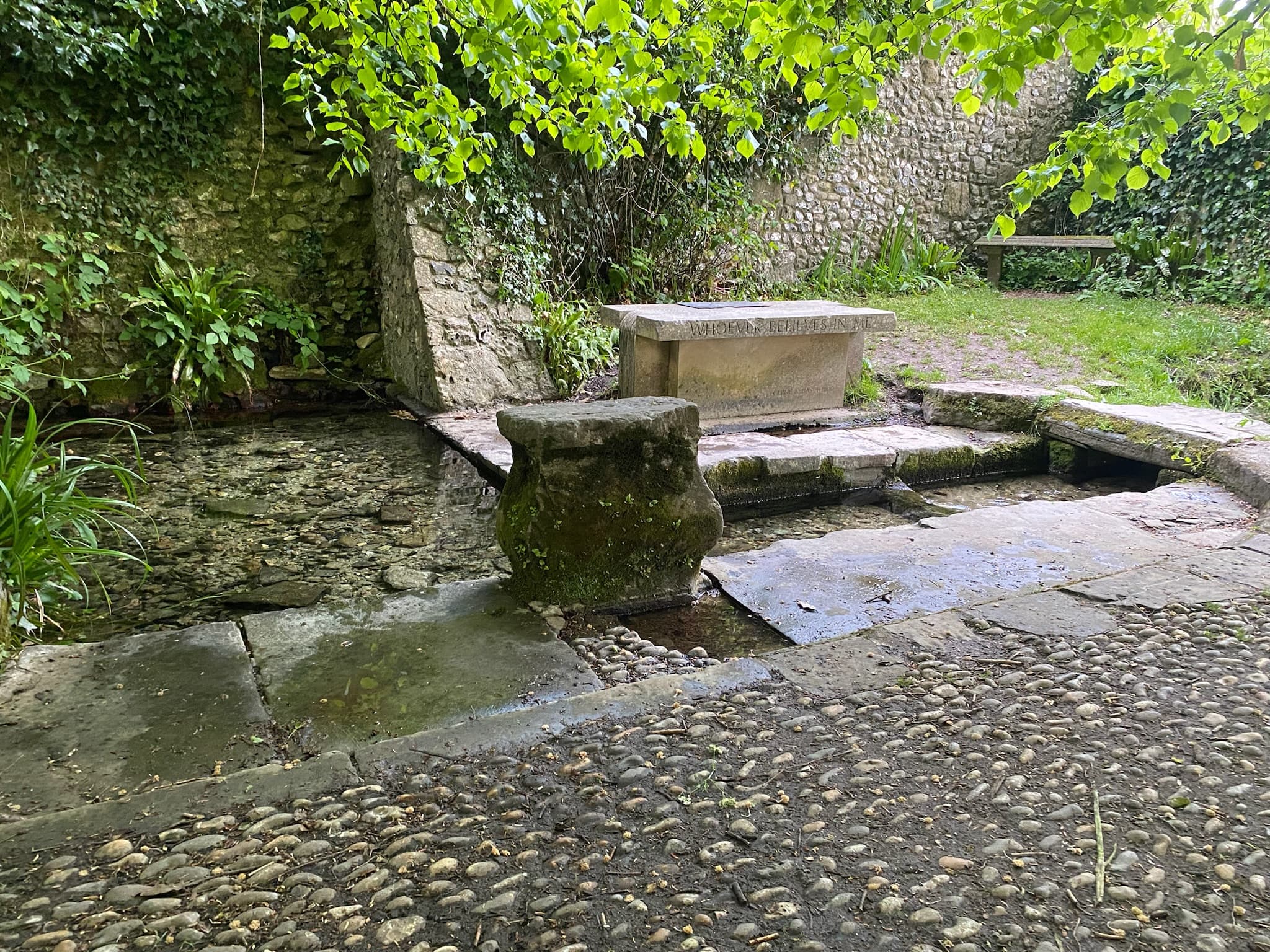
St Augustine's Well
A spring below Giant Hill, tied to legend and old pilgrimage.

Abbey Pond
A peaceful pond at the top of Abbey Street, once a fish pond for the monks of Cerne Abbey.
The River Cerne
A tranquil riverside walk down from the Cerne Abbas Giant car park.
The Village Playground
A playground by the river, with a basketball court, swings, slides and a large climbing frame.
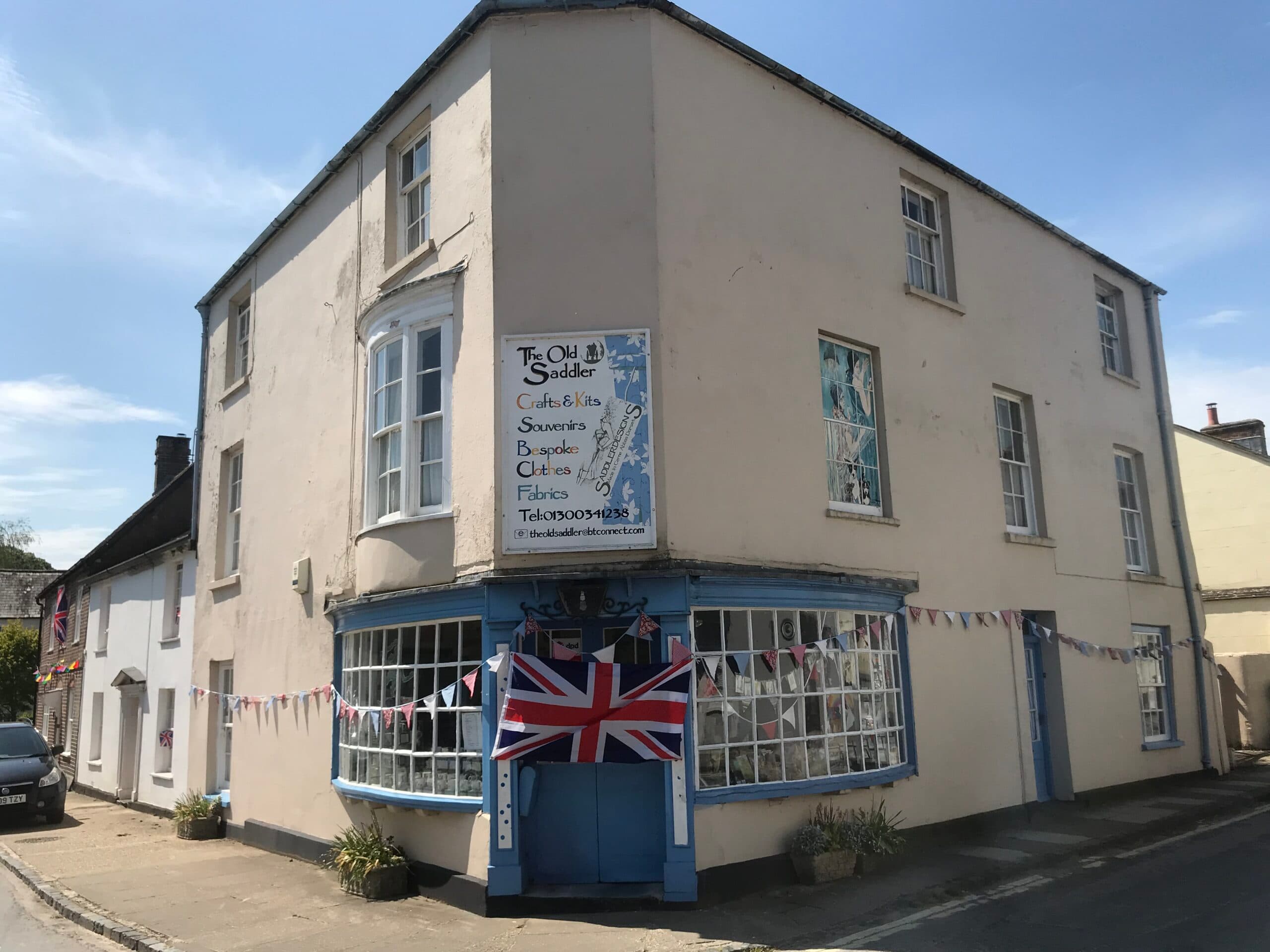
The Old Saddler
A village gift and craft shop, with Cerne Abbas and Giant souvenirs made on the premises.
A Short History of Cerne Abbas
Cerne Abbas owes its name to two things at once. The "Cerne" is older than the abbey, taken from an ancient Celtic word for the stony stream the village still sits beside; the "Abbas" is simply the Latin for abbot. Put them together and you get the abbot's Cerne, which is exactly what this was: a settlement that grew up in the shadow of the Benedictine abbey founded here in 987.
Legend reaches back further still. Local tradition says St Augustine passed through and blessed the spring that still carries his name, St Augustine's Well, below Giant Hill. There is no proof, but the story has held for centuries, which is rather the point of a good legend.
Closer to living memory, the village remembers Lord and Lady Digby, who lived at the abbey and ran a dairy farm in its grounds. Between them they were, in effect, the village milkman and milk lady, delivering door to door. The short film below tells it better than we can.
After the abbey was dissolved in 1539, Cerne Abbas did not fade. It became a busy little market town, and above all a brewing one. The local water made beer good enough to sell in London and even ship across the Atlantic to the Americas, and at its peak the village kept as many as 14 pubs for around 1,500 people. The same clear water drove milling, tanning, and a trade in gloves and hats.
Then the railways arrived in the 19th century and ran straight past. Trade drained to the towns on the line, the village shrank, and the building largely stopped. The happy accident is that Cerne Abbas was left almost untouched, which is why its streets still look the way they do. In 2008 it was voted Britain's Most Desirable Village.
It has drawn its share of names since. Painters have settled here, the broadcaster Kate Adie has called it home, and Thomas Hardy folded it into his Wessex novels under the disguise of Abbots Cernel.
For the abbey's own thousand-year story, from its founding to the Dissolution, read the full history.
Go Walking
The Cerne Valley is wonderful walking country, with chalk downland, river meadows and far-reaching ridgeway views, and Cerne Abbas makes an ideal base for exploring it on foot. The Wessex Ridgeway runs along the hills to the north, and field paths and bridleways lead out from the village in every direction.
A local guidebook, Walks Around Cerne Abbas, collects routes from short strolls to longer walks for the more adventurous, and is available from Cerne Abbas Stores in the village. The valley is a working agricultural landscape with game shoots at certain times of year, so please follow the Countryside Code, keep dogs under control and leave gates as you find them.
For more on the surrounding landscape and longer walks, see our Dorset Countryside guide.
Events in Cerne Abbas
The village keeps a lively calendar through the year. Dates change from year to year, so follow the links for the latest.
- The Cerne Abbas Music Festival, chamber music performed in St Mary's Church each autumn by the renowned Gaudier Ensemble.
- Cerne Abbas Open Gardens, when village gardens open to visitors over a weekend in June in aid of charity.
- The Cerne Giant Festival, a few weeks of walks, talks and performances across the Cerne Valley in spring.
- May Day, when the Wessex Morris Men dance at sunrise by the Giant and process through the village.
- The Cerne Abbas Christmas Street Fayre, with stalls and festive food along Long Street in early December.
The Cerne Abbas Giant
The famous chalk hill figure overlooks the village from Giant Hill. It is managed by the National Trust, free to view and a short five-minute walk from the centre of Cerne Abbas.
Many visitors pair it with a wander through the village and the grounds of Cerne Abbey below. Our dedicated page covers visiting the Giant and its long-debated origins.
Pubs, the Village Shop & Brewery
For its size, Cerne Abbas keeps three historic pubs: the New Inn, a 16th-century coaching inn; the Giant Inn, with a 15th-century fireplace; and the Royal Oak, built around 1540. All sit within a few minutes' walk of one another.
Cerne Abbas Stores serves the village from one of the South West's most characterful village shops, and Cerne Abbas Brewery produces traditional Dorset ales, with a tap room and shop popular with locals and visitors alike. St Augustine's Well, a spring tied to local legend and pilgrimage, lies a short walk away.
Cerne Abbey at the Heart of the Village
Cerne Abbey was founded in 987 and the village of Cerne Abbas grew up around it.
The surviving medieval Guest House, the Tudor Abbot's Porch and the abbey grounds remain open to visitors today.
The grounds are open daily, 9am to 8pm, adults £5 and children under 16 free, so it is an easy hour within a village walk.

Where to Stay in Cerne Abbas
For visitors wanting to stay longer, Cerne Abbey offers accommodation within the historic grounds: a self-catering cottage and a bed-and-breakfast room inside the main Abbey House.
Cerne Abbas FAQs
What is there to do in Cerne Abbas?
There is plenty within a short walk: the Cerne Abbas Giant, the abbey grounds, St Mary's Church, three historic pubs, the village shop and brewery, St Augustine's Well and riverside walks.
Is Cerne Abbas worth visiting?
Yes. It is one of Dorset's most historic and picturesque villages, voted Britain's Most Desirable Village in 2008, with the Giant and the thousand-year-old abbey at its heart.
How long do you need in Cerne Abbas?
Around half a day covers the Giant, the village and the abbey grounds, or longer if you are walking the valley.
What is Cerne Abbas famous for?
The Cerne Abbas Giant, the chalk hill figure above the village, and Cerne Abbey, founded in 987.
Where is Cerne Abbas?
In the Cerne Valley in the Dorset Downs, about 7 miles north of Dorchester just off the A352.
Where do you park in Cerne Abbas?
At Kettle Bridge Lane car park, with coaches by arrangement. See plan your visit for opening times and tickets.
What pubs are in Cerne Abbas?
Cerne Abbas has three historic pubs: the New Inn, a 16th-century coaching inn; the Giant Inn, with a 15th-century fireplace; and the Royal Oak, built around 1540. All are within a few minutes' walk in the village.
Does Cerne Abbas have a shop?
Yes. Cerne Abbas Stores is the village shop, one of the South West's most characterful, and Cerne Abbas Brewery has a tap room and shop selling traditional Dorset ales.